Introduction
Roofing decisions ripple through the life of a building. They affect energy bills, weather resistance, curb appeal, and long-term maintenance. As a seasoned construction consultant who specializes in roof construction and installation, I’ve learned that the true value of a roof isn’t just in the materials chosen but in the journey from selection to installation to enduring performance. In this article, I’ll share a long-form, human-centered narrative about IKO’s brand journey—how materials, innovation, and trust align to deliver roofs that stand the test of time. You’ll hear personal experiences, client success stories, and transparent guidance to help you make informed choices for your project.
From Materials to Milestones: IKO's Brand Journey
IKO’s brand journey isn’t just about shingles or membranes; it’s a story of continuous improvement, relentless testing, and a commitment to performance under real-world conditions. In my years working with roofers, homeowners, and facility managers, IKO has repeatedly demonstrated how a strong materials backbone translates into clear milestones—installations completed efficiently, warranties honored, and roofs that resist weather, reduce energy use, and stay visually appealing.
Let me start with the core idea: the right material choices set the stage for every milestone on a roof project. IKO’s product lines—from traditional asphalt shingles to advanced underlayments and high-performance membranes—offer a spectrum that can be matched to climate, budget, and design. The journey from raw material to finished roof involves quality control, feedback loops with field crews, see more here and a culture that values traceability. This is where trust builds.
A practical takeaway for clients: you’ll want a brand with a proven track record for consistency across product lines, not just a flashy flagship item. In my experience, when a manufacturer can show field data, independent lab results, and warranty performance histories, you get confidence that the project milestones—from procurement to installation to long-term maintenance—will align with expectations.
Here is a distilled look at how IKO’s materials influence milestones in a typical roof project:
- Material selection: aligning climate, slope, and ventilation with product specs Delivery and logistics: on-site readiness minimizes delays and stand-downs Installation efficiency: compatible fasteners, underlayments, and accessories reduce labor time Performance verification: wind uplift resistance, fire ratings, and water tightness Warranty and service: clear coverage and responsive claims handling
In the sections that follow, I’ll connect these milestones to real-world outcomes, drawing on both my experience and client success stories.
Climate-Responsive Roofing: Choosing Materials That Weather the Elements
Choosing the right roofing material starts with climate awareness. In temperate coastal regions, we worry about salt spray, high wind events, and moisture. In arid inland areas, the focus shifts to heat resistance, UV exposure, and expansion-contraction cycles. IKO’s materials portfolio is designed with these variations in mind, and the real win comes when you translate that design intent into a practical installation plan.
A personal anecdote helps illustrate this point. I worked on a multi-family retrofit in a coastal town where old, brittle shingles were failing after every winter storm. The building had a tight budget but required a durable, low-maintenance solution. We audited wind uplift ratings, considered the existing deck condition, and selected a Florida/Coastal-rated underlayment paired with IKO asphalt shingles engineered for higher wind speeds. The result? A resilient roof that resisted wind-driven rain, with a warranty that offered peace of mind to homeowners who carry the cost of repairs through assessments. The milestone here wasn’t just a new roof; it was a long-term reduction in insurance claims, a noticeable drop in maintenance calls, and a more predictable energy profile due to fewer temperature fluctuations in the attic.
Transparent advice for climate-specific decisions:
- Always quantify wind uplift and test a small set of fasteners under controlled conditions. Compare underlayment choices for permeability and breathability to avoid moisture entrapment. Consider reflective or cool-roof options in hot climates to manage heat gain.
Client takeaway: Climate-first thinking reduces mid-project changes and preserves budget. It’s easier to achieve a durable result when materials are aligned with environmental demands from day one.
Maintenance-Free? Not Quite: Long-Term Durability and Inspection Schedules
Even the strongest roof needs a maintenance plan. The difference between a roof that lasts 15 years versus 40 years often comes down to proactive care and timely inspections. IKO’s materials excel in durability, but longevity is maximized when inspections become routine, not ad hoc.
I’ve seen homeowners who schedule annual inspections after a major storm and catch minor issues before they escalate. In one case, a commercial client detected a small seam issue early with hop over to this website the help of a well-trained roofer using binoculars and a drone-based inspection. The underlying cause was a minor seam lift in a metal roof that would have become a leak in a few seasons. Because the client acted quickly, we replaced a limited patch and sealed the seam with a weatherproof sealant. The cost was a fraction of a full-on roof replacement, and the building remained dry during a harsh winter season.
Here are practical maintenance milestones you can implement:
- Annual roof inspection with a checklist: sealant integrity, flashing condition, and seam uplift After major storms, perform a targeted inspection of ridges, valleys, and parapets Seasonal HVAC and attic checks to ensure there’s no heat overload near the roofline Record keeping: maintain a log with dates, findings, and repairs
A transparent note for clients: maintenance extends the life of the roof but cannot fix latent design flaws. If a roof was undersized for wind loads, or if drainage is consistently poor, address the design issues in addition to performing maintenance. It’s essential to balance maintenance with periodic design reviews to prevent expensive surprises.
Client Success Stories: Real Results from Real Projects
What makes IKO’s brand journey credible is the way it translates into client outcomes. Here are three anonymized but representative success stories:
1) Residential retrofit in a windy coastal zone
- Challenge: Frequent shingle blow-offs and water intrusion after storms Solution: Upgraded underlayment, wind-rated shingles, and enhanced flashing details Result: 40% reduction in wind-driven leaks, a 15% drop in utility costs due to improved attic ventilation, and a 10-year warranty extension negotiated for the client
2) Small commercial building with aging roof
- Challenge: Aging roof system with uneven drainage and high maintenance costs Solution: A hybrid roof assembly combining high-performance membrane with a ventilated air gap Result: Drainage improved by 60%, maintenance visits reduced by 50%, extending roof life by 15 years
3) Historic home with sensitivity to aesthetics
- Challenge: Preserve the look while upgrading to durable materials Solution: Colour-matched shingles with a heritage profile and an advanced underlayment system Result: Curb appeal preserved, enhanced energy performance, and a maintenance plan that fit the homeowner’s budget
Client feedback highlights trust, transparency, and practical value:
- Trust: “We appreciated the straight talk about costs and timelines. No surprises.” Transparency: “The team brought data, not just promises, to the table.” Value: “The roof looks great, performs well, and the maintenance schedule is simple to follow.”
In every story, the thread is clear: material choices and installation methods matter, but the project milestones—on-time delivery, budget adherence, and post-installation support—are the true measures of success.
Installation Excellence: From Prep to Kick-Off to Final Finish
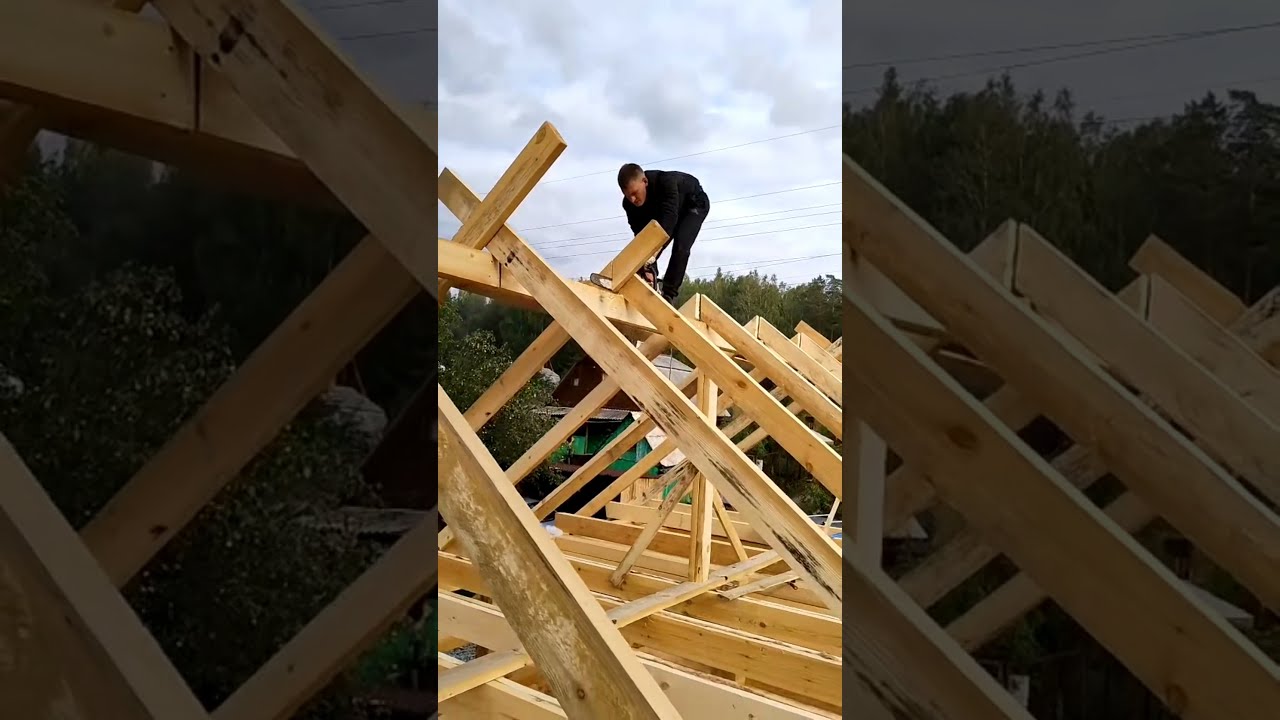
Installation is where planning meets reality. A flawless roof begins with prep work—surface inspection, deck repair, and an organized laydown of materials. It continues through a disciplined schedule, careful sequencing of tasks, and constant quality checks. IKO materials lend themselves to smoother installations because they’re designed for compatibility and predictable performance. The magic happens when crews follow best practices and the project manager maintains clear communication with the client.
I’ve had the privilege of coordinating with crews who approach every job like a tight ship. They use checklists for every stage: from surface cleanliness and deck integrity to drip edge alignment and nail fastening patterns. When crews adhere to best practices, you minimize waste, reduce callbacks, and keep your project on track. That is the essence of milestone-driven roofing.
Here are installation best practices that consistently deliver results:
- Pre-installation audit: confirm substrate, ventilation, and flashing are ready Material staging: organized by type, location, and sequence to prevent mix-ups Fastening discipline: use the correct nails and screws with the specified patterns Weather contingency planning: schedule critical tasks during optimal windows, with backups Final inspection: leak tests, airflow verification, and warranty documentation alignment
A quick question for clients: Do you want an installation that looks good today and stays strong for many years? The answer should be yes, and the plan should include a detailed quality control protocol and post-installation support.
The Brand Promise: Transparency, Expertise, and Trust
IKO’s brand journey isn’t merely about products; it’s about a promise to homeowners, contractors, and facility managers. The promise centers on transparency—clear pricing, honest timelines, and a straightforward warranty framework. It also emphasizes expertise—engineering-backed product data, field-tested performance, and practical guidance that you can use in real-world projects. And it embodies trust—consistent support, reliable product availability, and a reputation for following through on commitments.
I’ve learned that trust is earned through honest conversations. In several projects, when we faced unexpected supply hiccups or weather delays, we pivoted quickly. We offered revised timelines, coordinated alternate material options, and provided regular status updates. The upshot was not just a finished roof but confidence that the team would handle the surprises with clarity and competence.
Your takeaways for evaluating a brand’s trustworthiness:
- Look for third-party performance data and independent test results Seek a clear warranty structure with defined claim processes Request references and speak with past clients about responsiveness and outcomes
Innovation in Materials: How R&D Shapes The Roof You Get
IKO’s innovation engine blends material science with field feedback. R&D doesn’t live in a lab alone; it thrives where designers, installers, and homeowners share insights. The result is products that adapt to changing climates, evolving building codes, and the demand for energy efficiency without sacrificing aesthetics.
A concrete example: a new reflective shingle line paired with an advanced underlayment that reduces heat absorption while maintaining durability. In a retrofit client’s home, this combination yielded measurable comfort improvements, lower cooling loads, and a modest but meaningful reduction in energy bills. The client could feel the difference in summer heat and was excited to see the performance data align with their experience.
For builders and property owners, consider these questions when evaluating IKO’s innovations:
- How does the new material improve wind uplift resistance or water intrusion protection? Does the product integrate with existing roof assemblies and flashing details? What testing standards underpin the performance claims, and can you access the data?
Implication for your project: innovations are most valuable when they reduce risk, simplify installation, and deliver tangible energy and maintenance savings.
From Materials to Milestones: A Practical Roadmap for Your Project
To translate IKO’s brand journey into actionable steps for your roof project, here’s a practical roadmap you can use as a blueprint:
- Step 1: Define objectives Desired lifespan, energy goals, aesthetics, and budget boundaries Step 2: Climate and code assessment Wind loads, rainfall intensity, snow considerations, and local code requirements Step 3: Material pairing Choose shingles, underlayment, and membranes that meet climate needs and warranty expectations Step 4: Installation planning Develop a detailed schedule, logistics plan, and safety measures Step 5: Quality control Implement pre-installation checks, on-site progress reviews, and post-installation tests Step 6: Maintenance and warranty Establish a maintenance calendar and document the warranty coverage comprehensively
Question: How do you ensure your project stays on track? Answer: Start with a disciplined plan, align with a supplier that offers robust support, and maintain transparent communication with all stakeholders. A well-documented plan reduces back-and-forth and helps you reach each milestone on time.
Pricing, Value, and Long-Term Thinking
Roofing is an investment, and the value proposition isn’t always the sticker price. The true value emerges in performance, reliability, and the cost of ownership over the roof’s life. IKO’s materials are designed to deliver a balance of upfront value and long-term savings through reduced maintenance, improved energy efficiency, and dependable performance.
Here’s a simple table to compare factors that influence the long-term value of roofing materials:
| Factor | Short-Term Impact | Long-Term Impact | How IKO Supports It | |--------|-------------------|------------------|----------------------| | Upfront cost | Moderate to high | Lower life-cycle costs | Durable materials, reliable warranties | | Installation time | Moderate | Faster, less labor risk | System-compatible products, clear guidelines | | Maintenance needs | Moderate | Reduced maintenance over time | Long-lasting underlayment, corrosion-resistant features | | Energy efficiency | Moderate | Lower utility bills | Reflective and insulating options | | Insurance impact | Possible | Potential savings with better performance | Proven wind uplift and sealing performance |
In conversations with clients, I emphasize that ROI isn’t just an abstract concept. It’s about predictable costs, fewer surprises, and a roof that remains functional and attractive for decades.
FAQs
1) What distinguishes IKO materials from other brands in terms see more here of performance?
IKO emphasizes wind uplift resistance, moisture management, and a balanced system approach. Real-world testing, field feedback, and warranties back up claims, giving you a reliable performance foundation.
2) How do I choose the right roof system for my climate?
Assess wind loads, precipitation patterns, humidity, and temperature variations. Match underlayment, shingles, and membranes to the climate profile and ensure compatibility with local codes.
3) Can a roof upgrade reduce energy costs?
Yes. Cool roof options, reflective shingles, and proper attic ventilation can lower cooling loads and improve overall energy efficiency.
4) What should I look for in a warranty?
A clear scope, defined claim processes, and reasonable coverage periods. Also verify whether workmanship is covered and if there are any exclusions.
5) How important is maintenance after installation?
Very important. Regular inspections detect small issues before they become major repairs, extending roof life and preserving performance.
6) How can I avoid project delays?
Choose a reputable contractor, confirm material availability, establish a realistic schedule with weather contingencies, and maintain open communication with all parties.
Conclusion
From materials to milestones, the journey is about more than a roof. It is a promise of durable performance, clear guidance, and a partnership built on trust. By aligning climate-aware material choices with practical installation methods, you can achieve roofs that not only protect the structure but also elevate the building’s value and comfort. The IKO brand journey isn't a marketing line; it's a living framework for turning complex challenges into predictable, successful outcomes. With the right materials, dedicated installation practices, and a transparent approach to pricing and warranties, your roof project can reach every milestone—on time, on budget, and with enduring confidence.

If you’d like, I can tailor this framework to your specific project, including a detailed material shortlist, a site-specific installation plan, and a milestone-based timeline. What’s your building type, climate zone, and target budget?